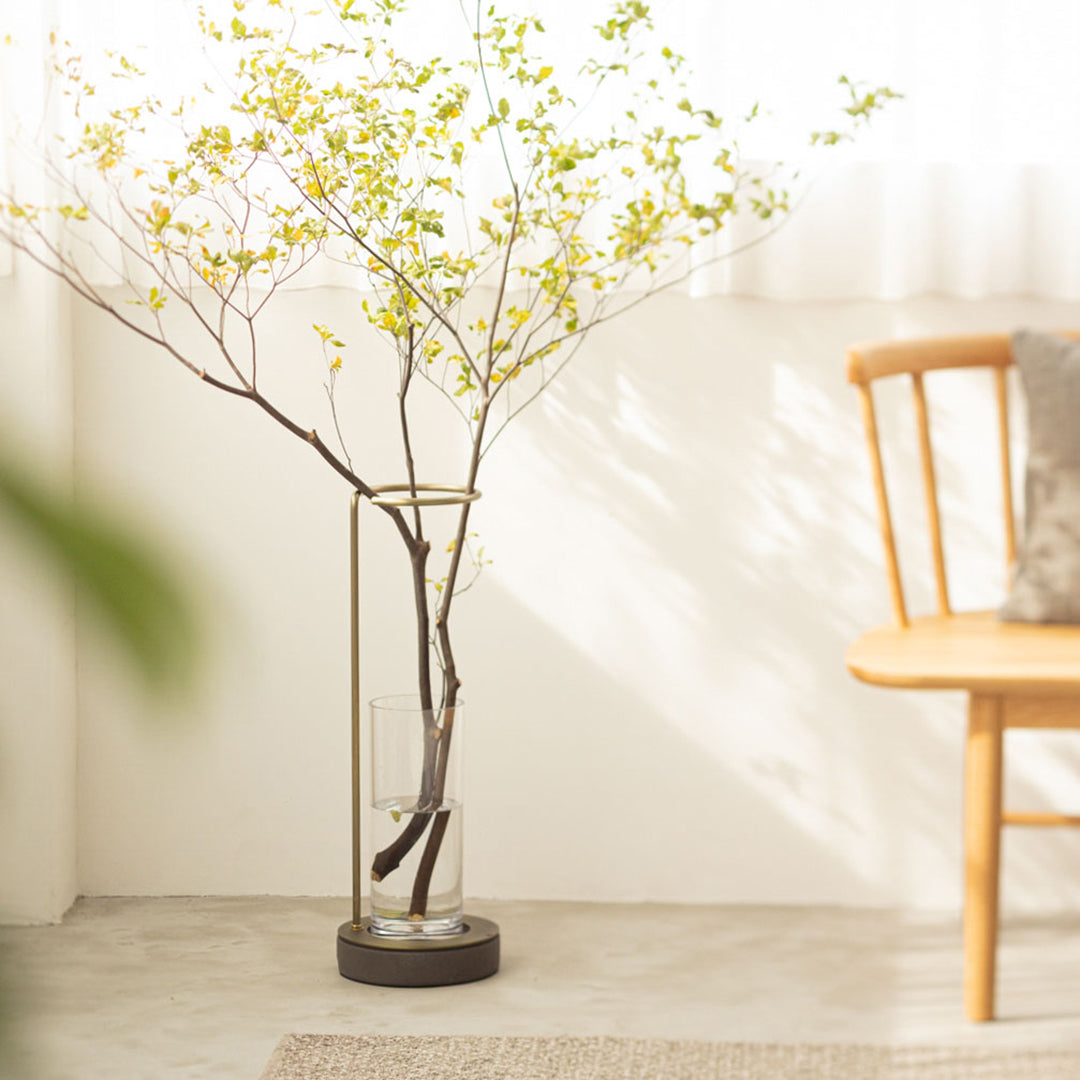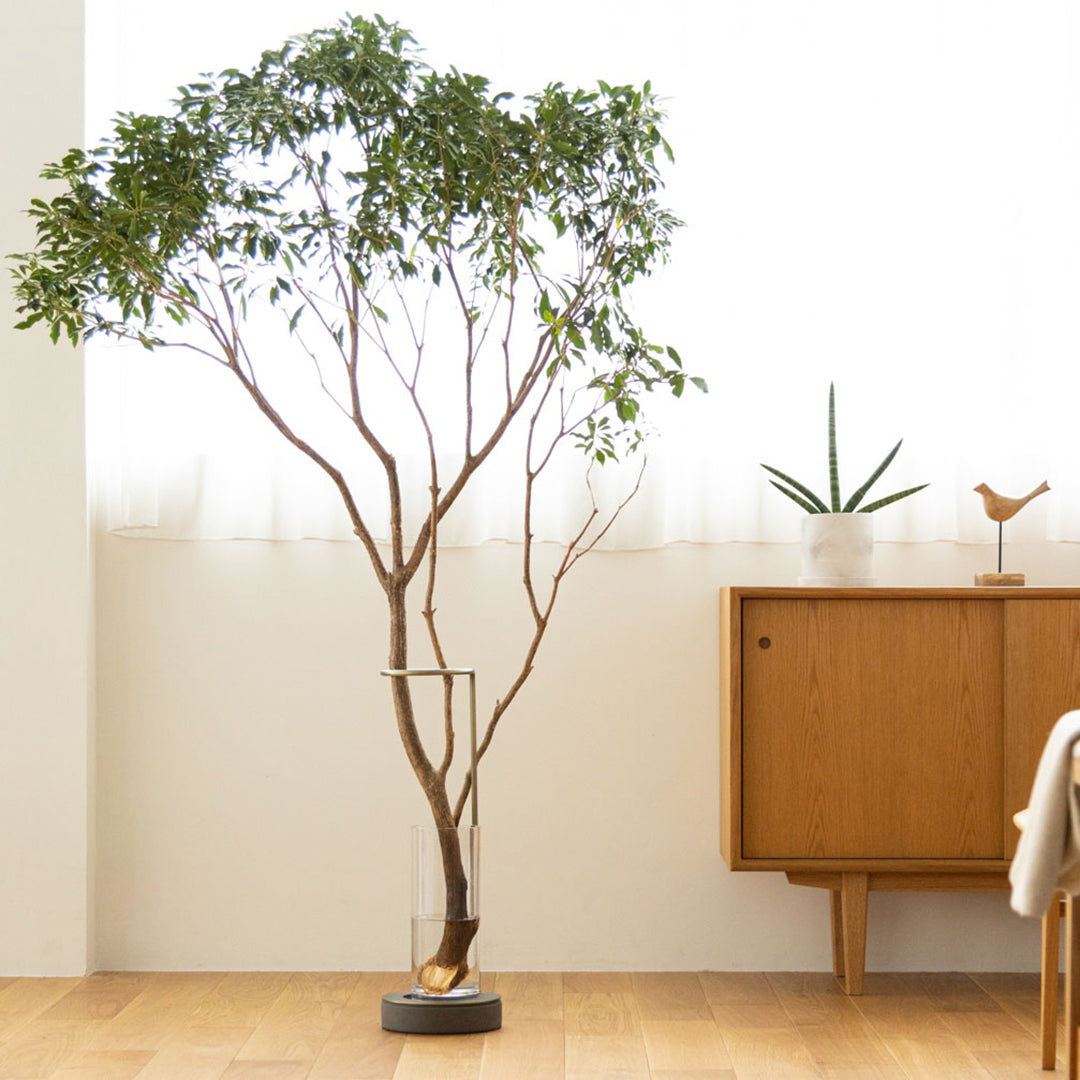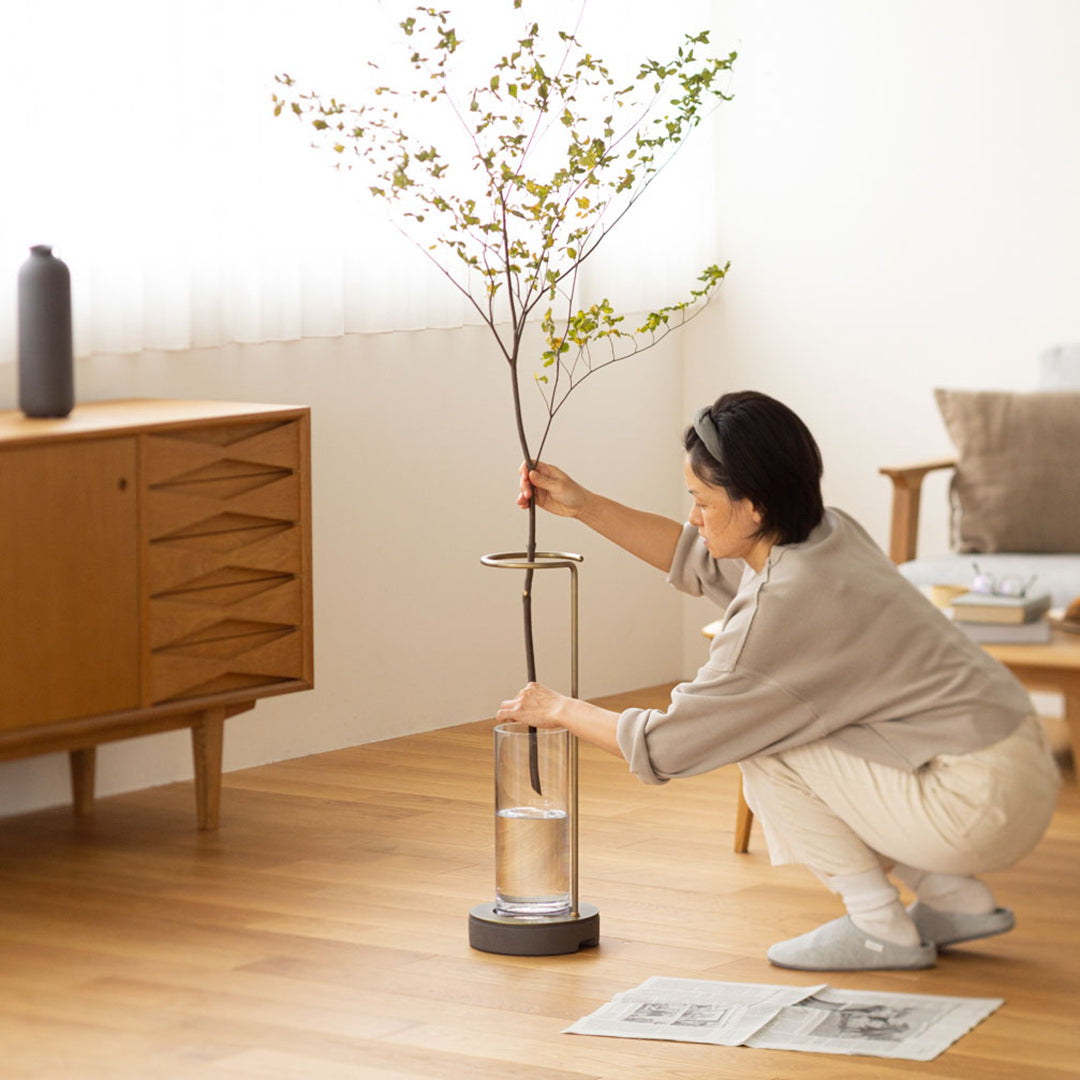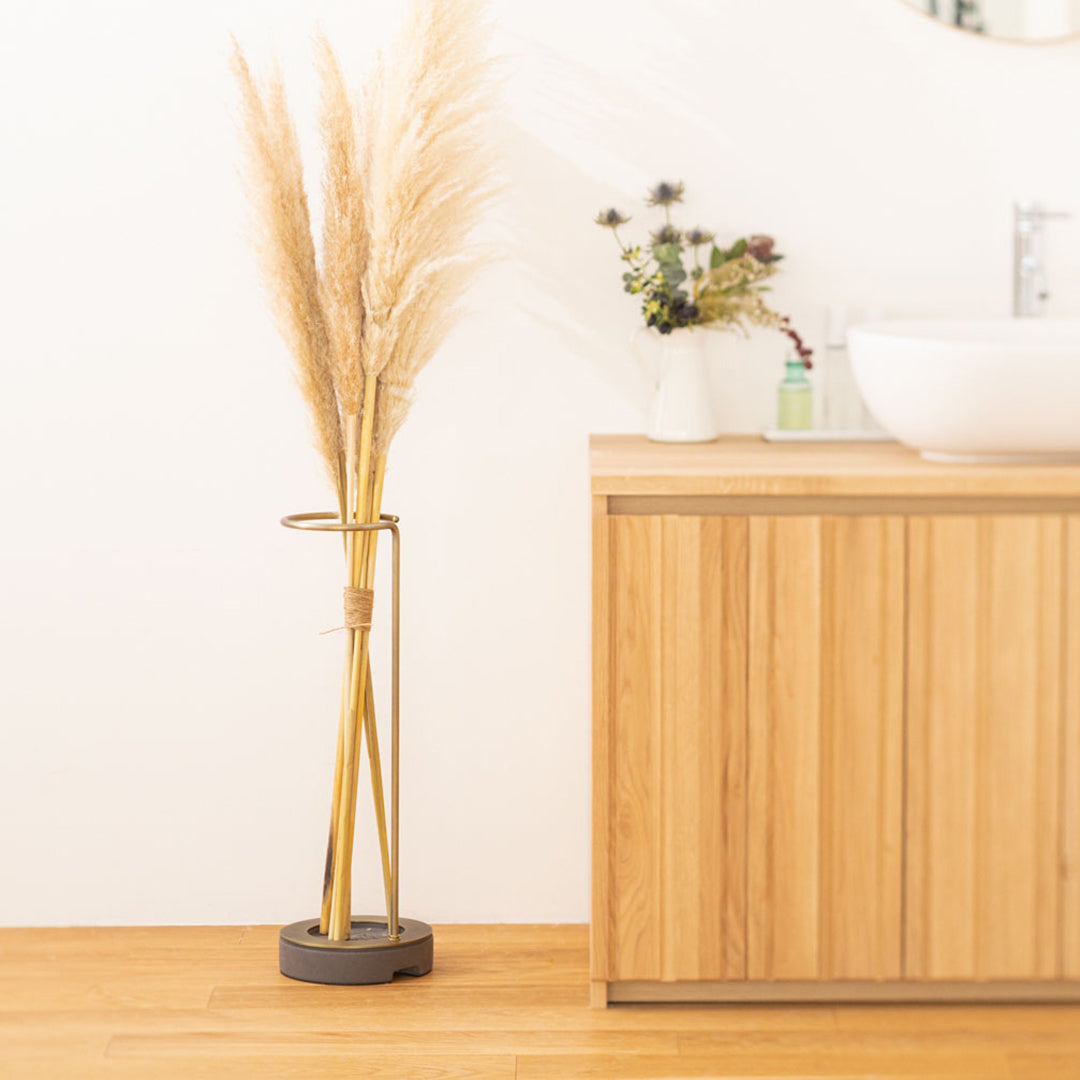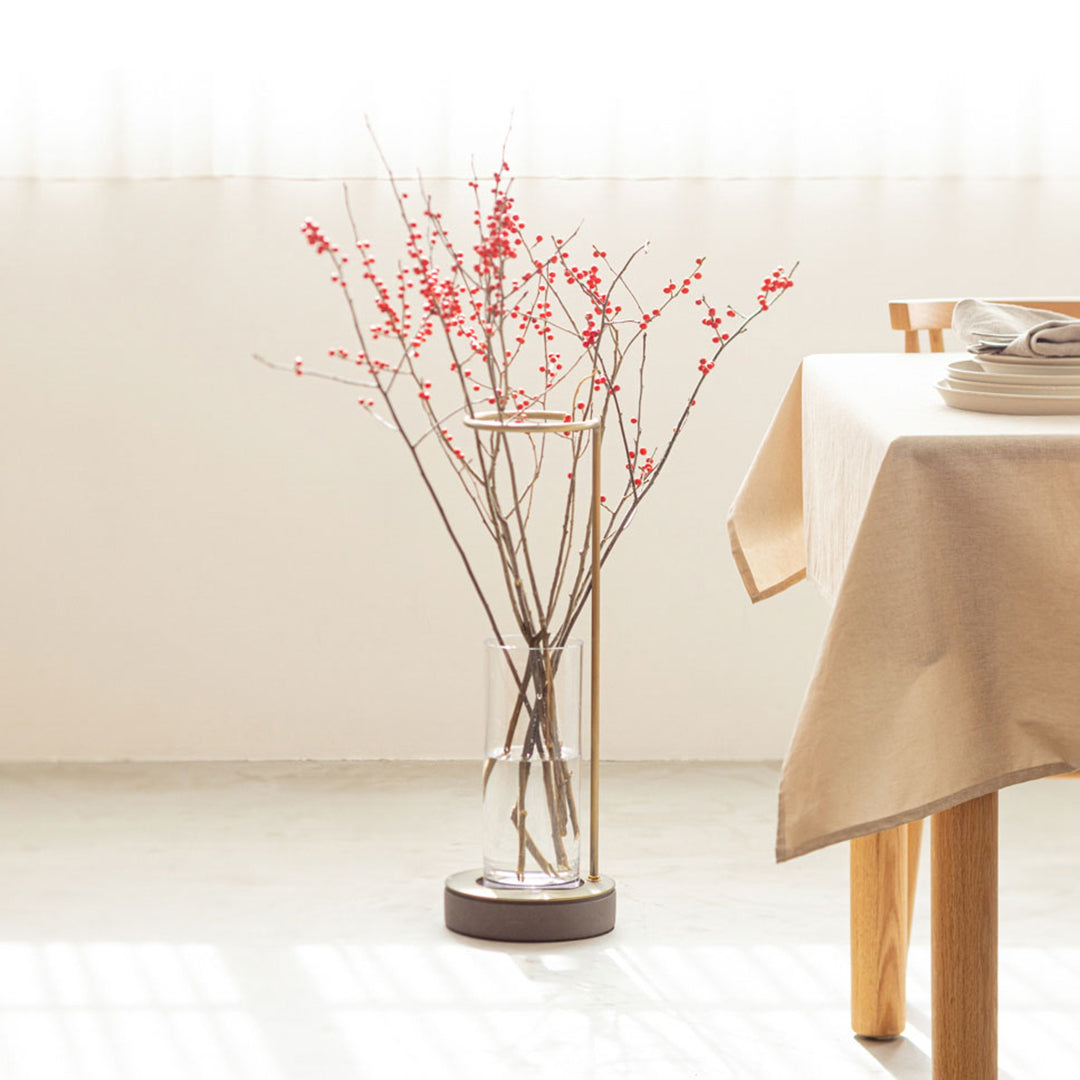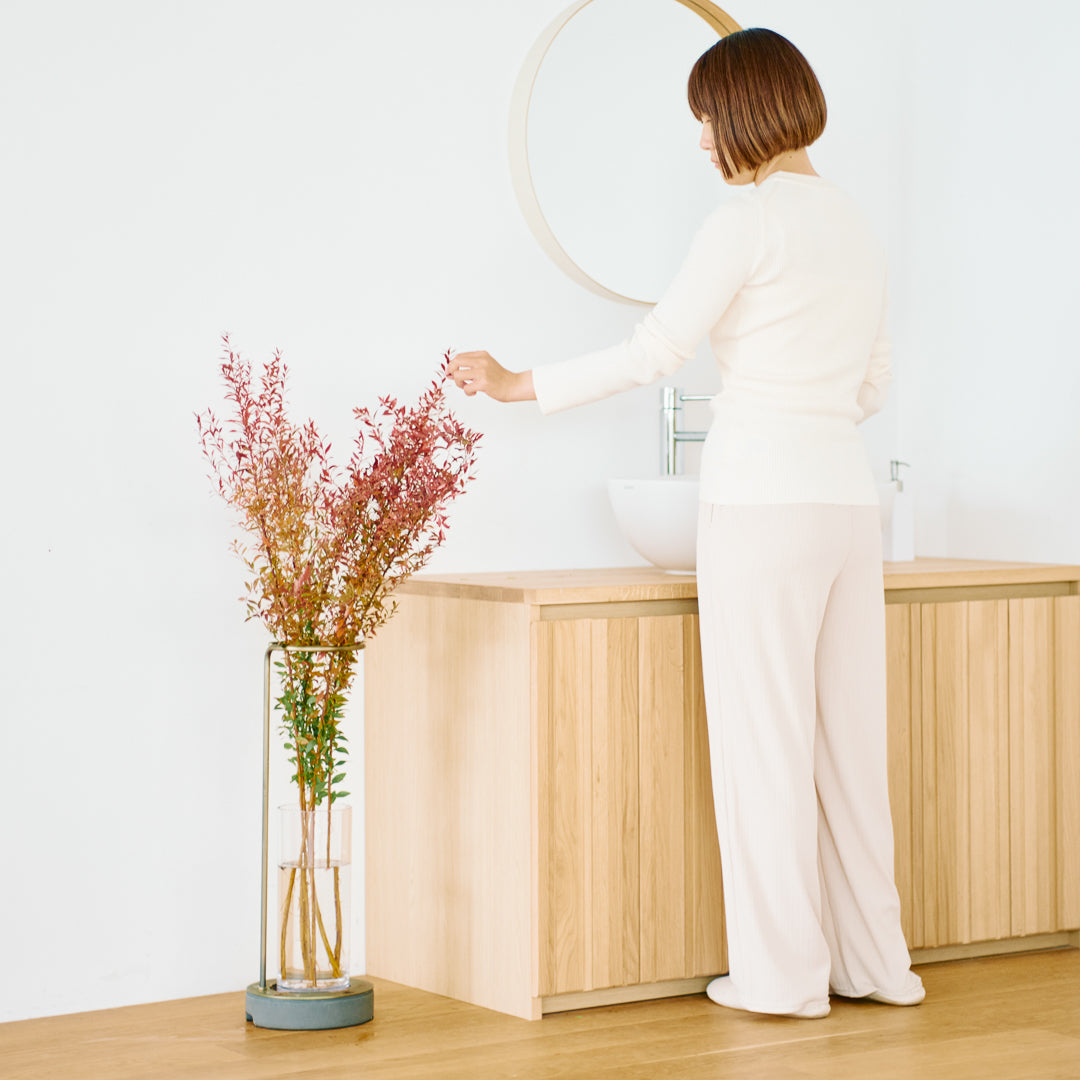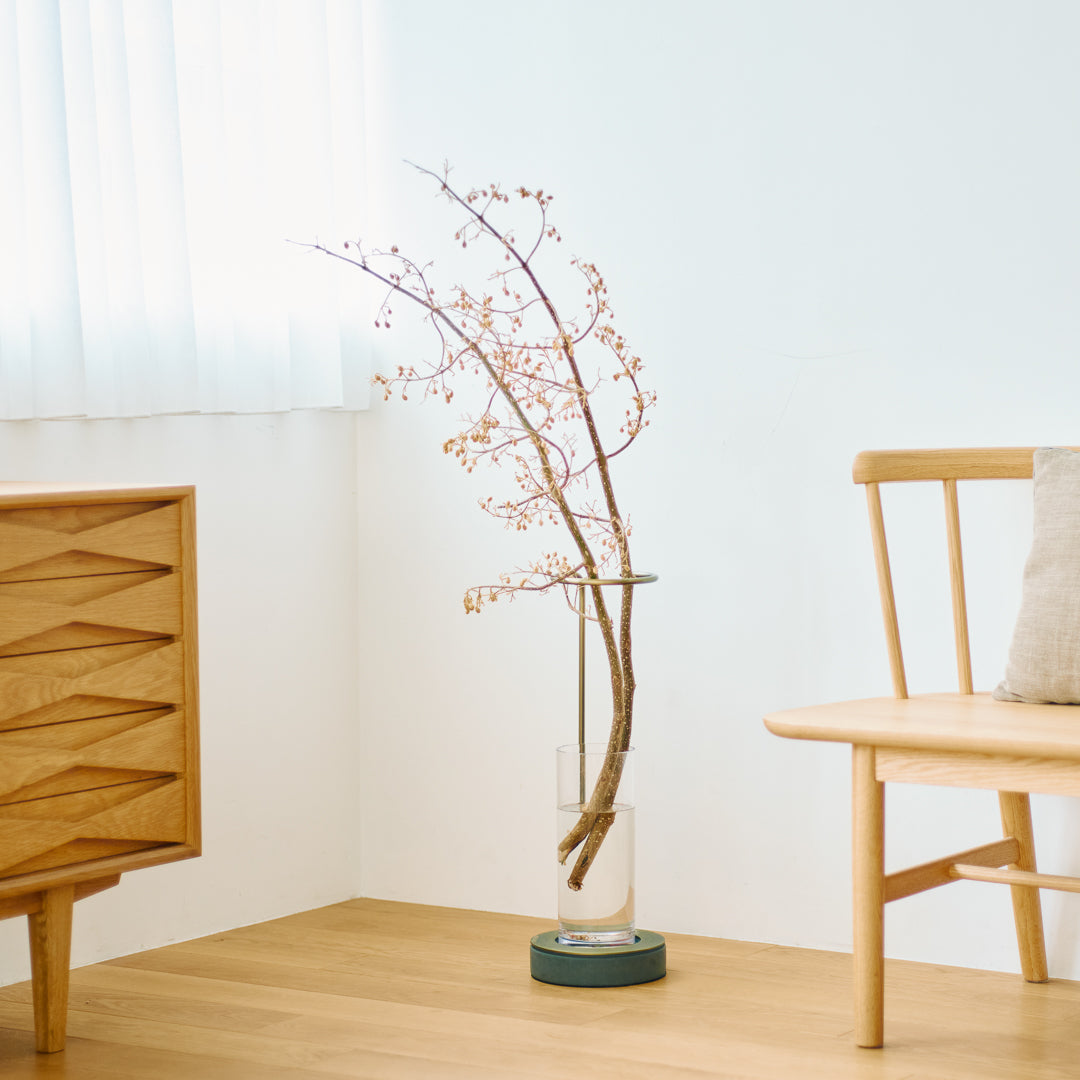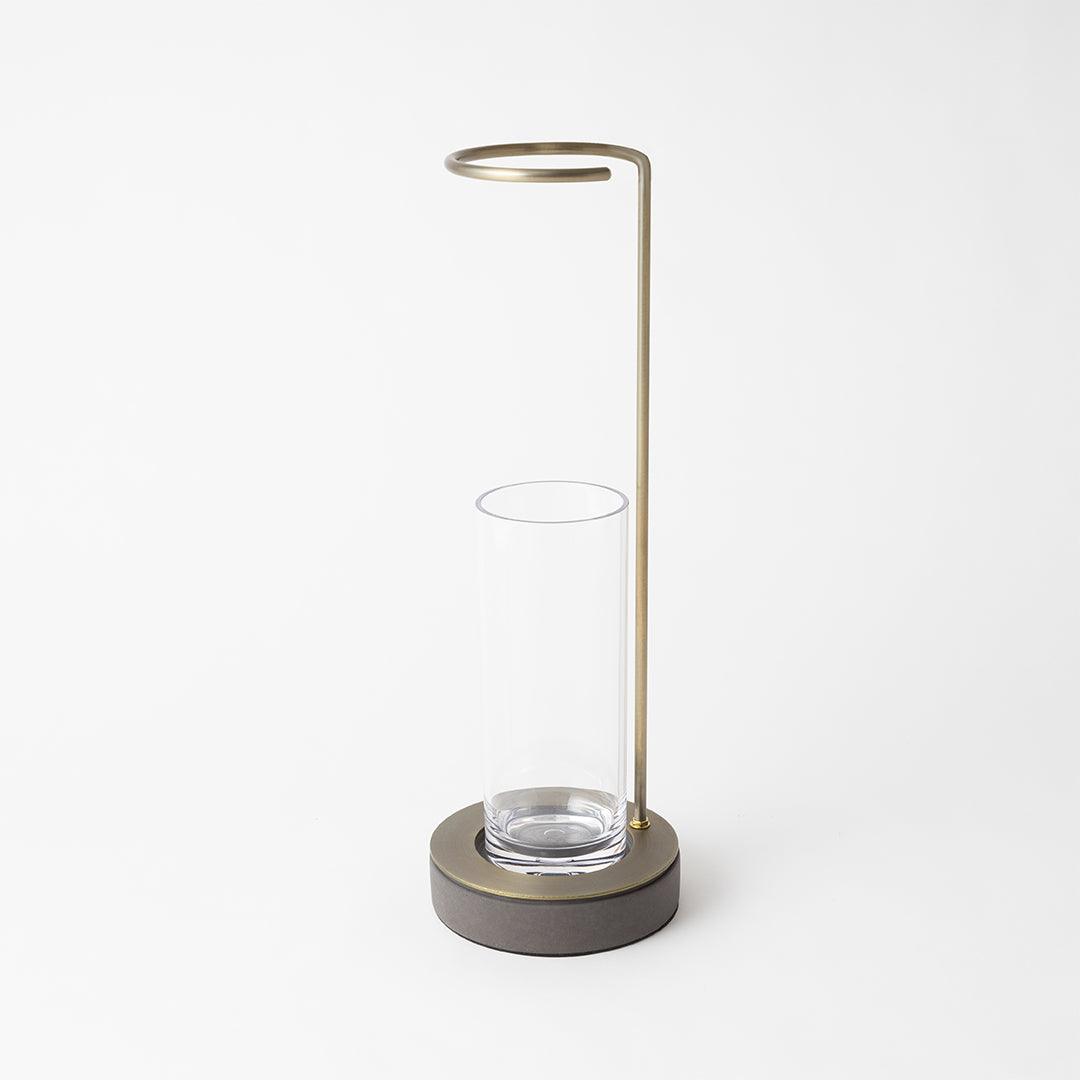


Why branches?

Longer-lasting
Enjoy branches for longer than many cut flowers.
Sculptural presence
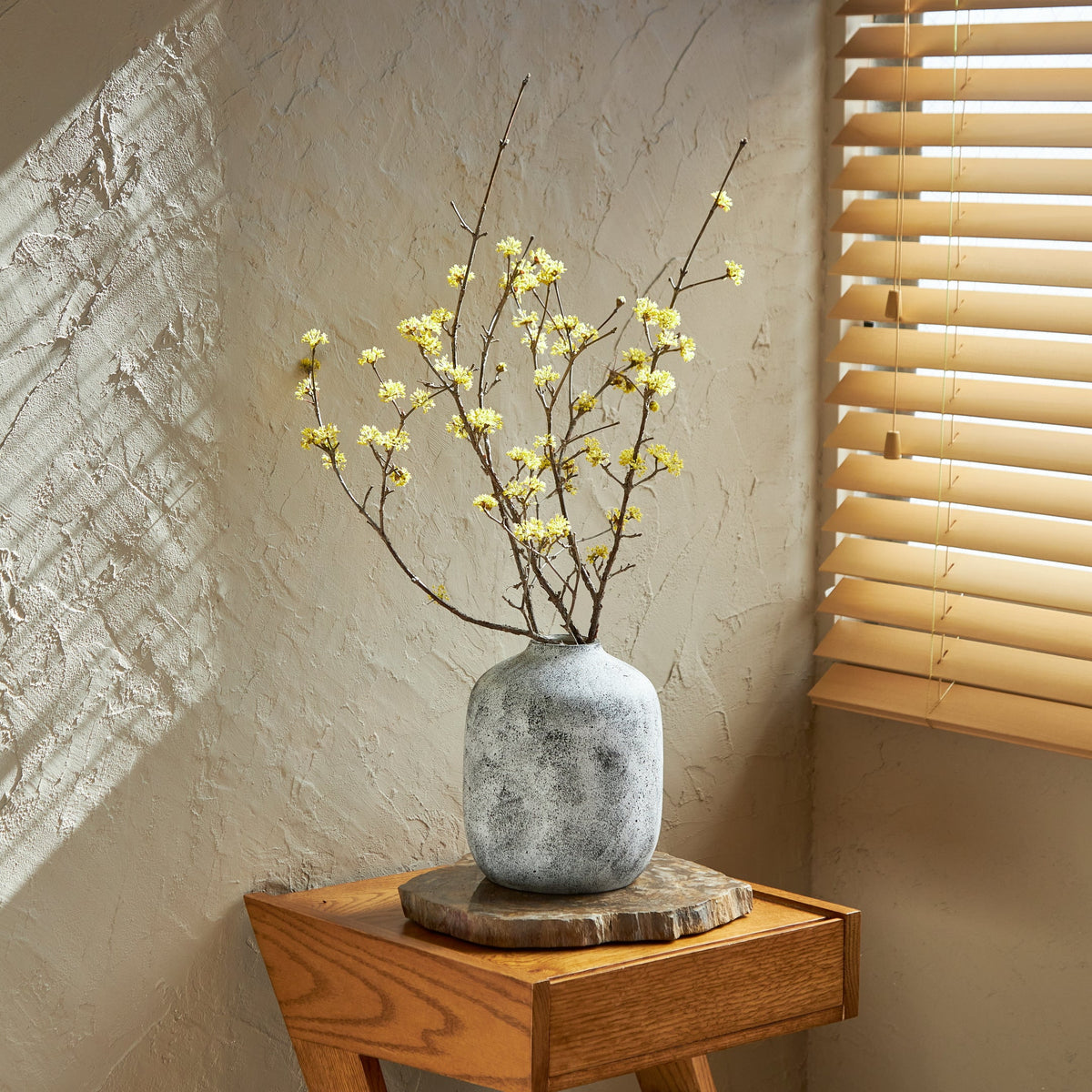
A few stems bring height, volume, and natural lines to a room.
Shaped by the seasons
Field-grown outdoors, branches carry the character of sun, wind, rain, and time.

A changing home
Seasonal branches let the mood of a room shift throughout the year.

No sunlight required
Place them in many spaces, without needing direct light.

For Japandi interiors
Simple lines that suit Japandi, minimalist, and nature-led homes.

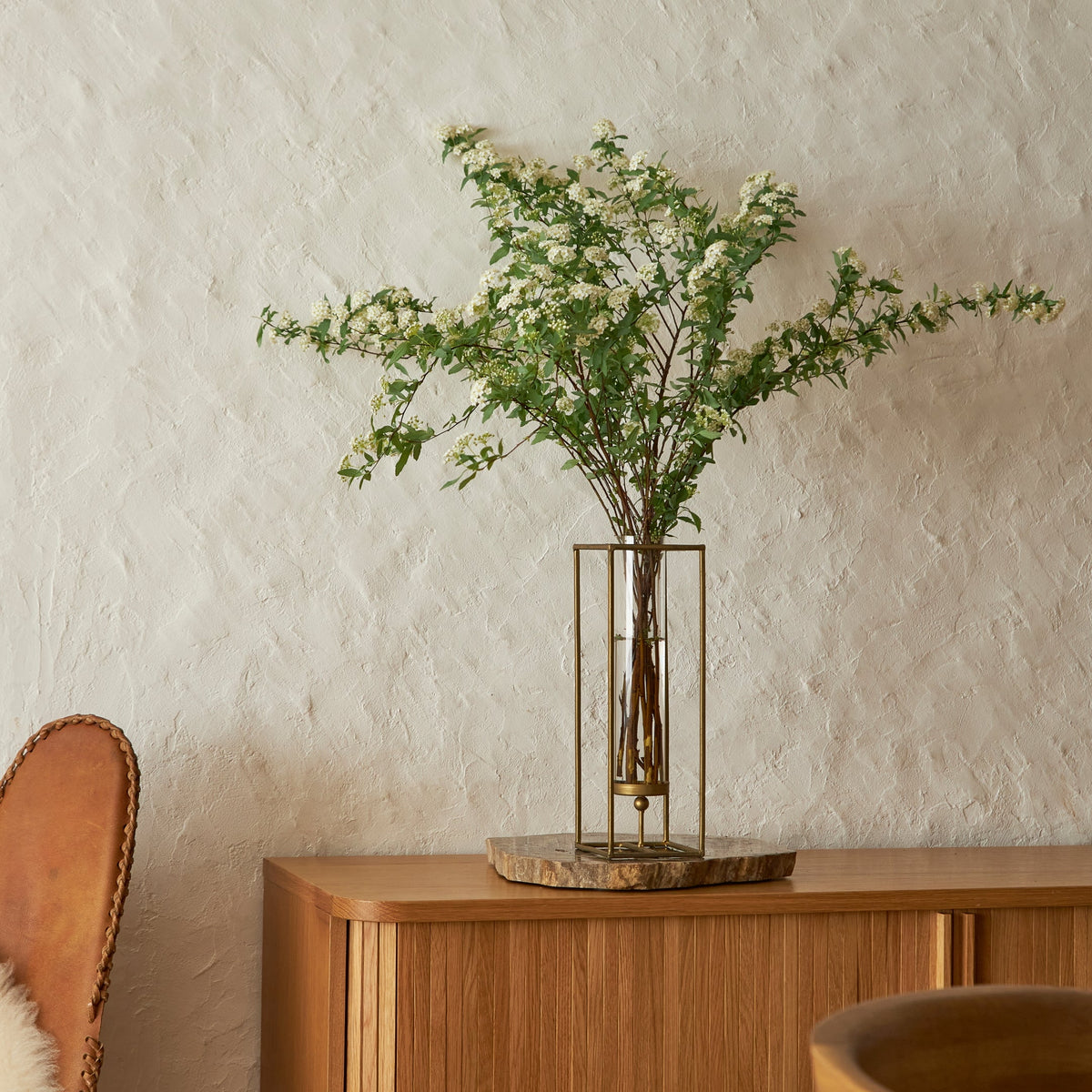
In Japan, branches have long been used in ikebana to express the seasons through line, space, and natural form.
SiKiTO celebrates the beauty of the branches themselves—their scale, texture, movement, and seasonal character—and brings them into contemporary living.
What does SiKiTO mean?
with the seasons
SiKiTO takes its name from “shiki to(四季と)” meaning “with the seasons.”
Through branches, vessels, and objects for the home, SiKiTO brings the changing seasons into everyday life.

A Symbol Shaped by the Four Seasons
Through our Branch Subscription and original products, SiKiTO brings nature into everyday life, creating moments to experience the changing seasons—四季, or shiki in Japanese.
The name “SiKiTO” carries two meanings. The first is 四季と暮らす—shiki to kurasu—meaning “to live with the four seasons.” The second is “to send the seasons to someone,” with “to” expressing the idea of giving.
To bring this concept to life, we created a symbol inspired by the richness of Japanese nature.
Based on the shapes of the individual letters in “SiKiTO,” the logo evokes mountains, birds, flowers, leaves, and the sun, forming a natural landscape within a single mark.
Its organic identity can be interpreted in many different ways depending on the viewer, reflecting the freedom, movement, and quiet beauty found in nature.