
【二十四節気 / The 24 Solar Terms】秋分(Shūbun / Autumnal Equinox)

Shūbun — Autumnal Equinox
Around September 23–October 7
Shūbun, or the Autumnal Equinox, is the time of year when day and night are nearly equal in length.
The sun sits lower in the sky, the light becomes softer, and clear, distinctly autumnal days gradually become more frequent.
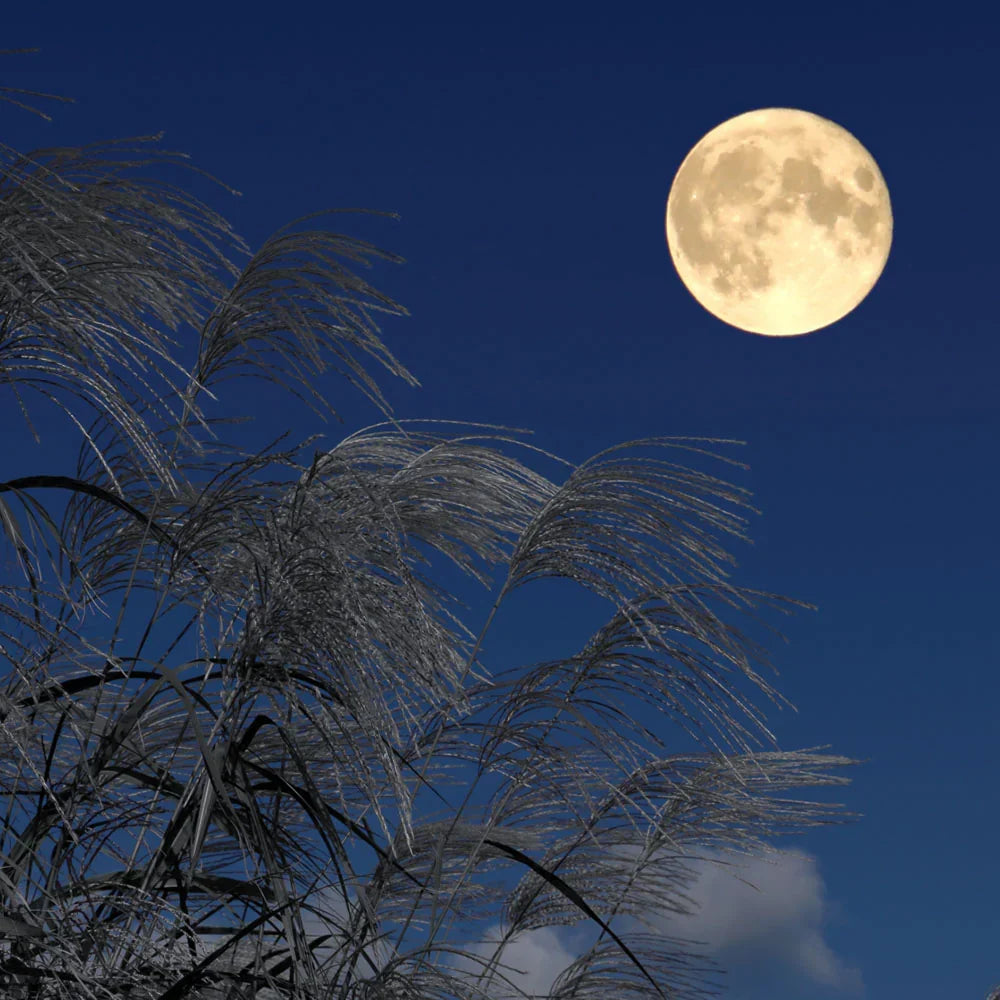
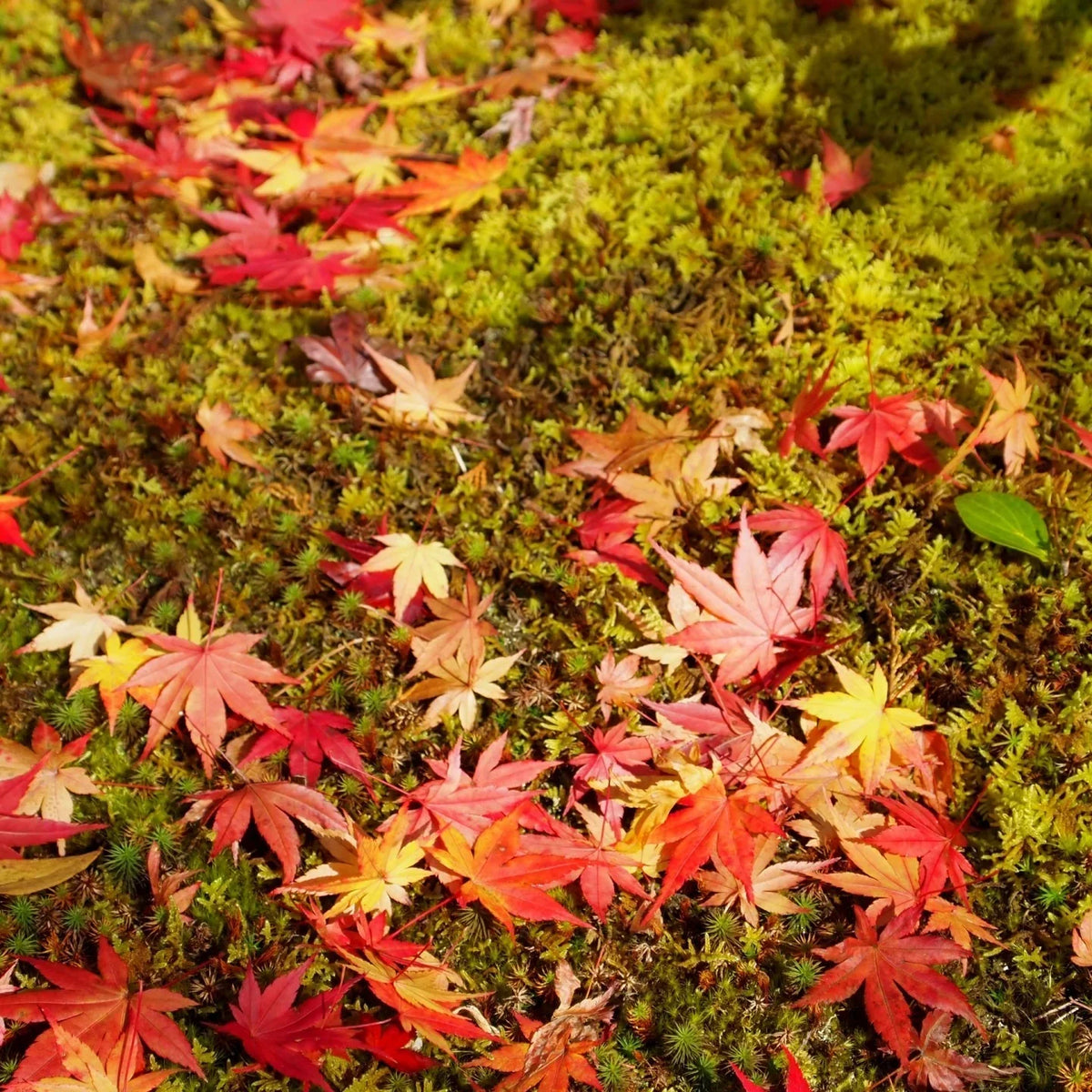
The sky appears high, thin clouds drift gently overhead, and golden rice fields sway in the breeze—the very picture of autumn. In the increasingly cool mornings and evenings, the sound of insects fills the air. It is also the season when vivid red spider lilies draw the eye across fields and roadsides.
On the day of the autumnal equinox, the sun rises almost directly in the east and sets almost directly in the west. In Japan, this day has long been regarded as the midpoint of the autumn equinoctial week, or higan, and is a time to honor one’s ancestors and express gratitude for nature.
The 72 Microseasons
Around September 23–27: Kaminari Sunawachi Koe o Osamu — Thunder Falls Silent

This is the time when the rumbling thunder that lingered from summer finally fades away.
The towering clouds of summer disappear almost unnoticed, replaced by rippled and feather-like clouds across the autumn sky. Even the wind begins to feel lighter.
Around September 28–October 2: Mushi Kakurete To o Fusagu — Insects Hide and Seal Their Burrows

This is the time when insects that live beneath the soil begin preparing for winter.
As temperatures fall, the natural world gradually regains its stillness. At night, even the calls of insects from the grass seem softer and more distant.
Around October 3–7: Mizu Hajimete Karu — The Waters Begin to Drain

This is the time when water is drained from the rice fields and the harvest begins in earnest.
Golden ears of rice sway in the wind, and rural landscapes fill with the joy of harvest. Their glow beneath the autumn sunlight announces the arrival of the season of abundance.
Seasonal Foods and Traditions
Shūbun falls in the heart of Japan’s harvest season.
Chestnuts, sweet potatoes, pumpkins, and other rich, comforting autumn flavors begin to fill the table.

This period also includes the autumn higan, when many people visit family graves to honor their ancestors and express gratitude.
A traditional sweet made by wrapping glutinous rice in sweet red bean paste is called botamochi in spring and ohagi in autumn.
Looking up into the clear night sky, the Summer Triangle slowly begins to sink toward the west, while winter constellations appear in the east. The changing seasons can be felt even among the stars.
Shūbun in Summary
Shūbun is a time when nature finds a balance between stillness and movement.
Day and night, light and shadow, warmth and coolness all come briefly into harmony.
Rice swaying in the wind, insects calling at dusk, and light turning golden—it is a season when nature reveals one of its most beautiful balances.
From this point onward, the world gradually begins to lean toward quiet and stillness.
At the end of the day, why not look toward the western sky and sense the season’s gentle rhythm in the light of the setting sun?