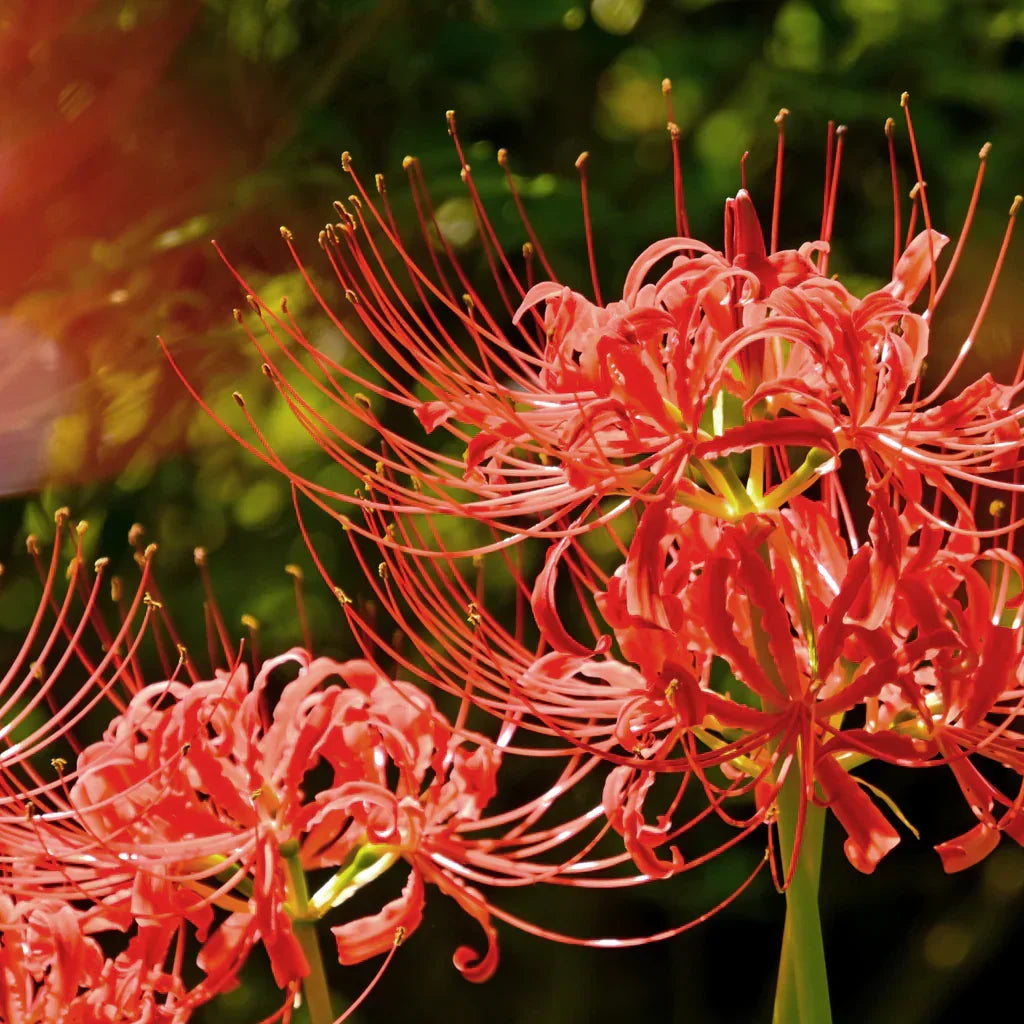

Article: 【二十四節気 / The 24 Solar Terms】立冬(Rittō / Beginning of Winter)
【二十四節気 / The 24 Solar Terms】立冬(Rittō / Beginning of Winter)

Rittō, or the Beginning of Winter, is the 19th of Japan’s 24 solar terms. It marks the beginning of winter in the traditional calendar and generally falls between around November 7 and November 21, when the first snow may begin to arrive in colder regions.
What Is Rittō?
Around November 7–21
Rittō, or the “Beginning of Winter,” marks the arrival of winter in Japan’s traditional calendar. As its name suggests, it is the time when winter begins to take shape. In colder regions, the first reports of snow may arrive.
The sunlight gradually becomes softer, and the morning and evening air begins to carry the first signs of winter.
The leaves of the trees turn red and yellow, while fallen leaves begin to gather underfoot. Some afternoons remain mild and pleasant, but temperatures drop sharply after sunset, reminding us that the season is steadily moving toward winter.
The clear air brings the outlines of distant mountains into sharper focus, while the evening sky can appear especially vivid and beautiful at this time of year.
It is a season for beginning our preparations for winter while continuing to enjoy the lingering traces of autumn. Rittō is a quiet moment when the two seasons overlap.
The 72 Microseasons of Rittō
Around November 7–11: Tsubaki Hajimete Hiraku — Sasanqua Camellias Begin to Bloom

This is the time when sasanqua camellias begin to bloom.
Although the name of this microseason uses the word tsubaki, meaning camellia, the flower is generally understood to be the sasanqua, which blossoms at the beginning of winter.
As the leaves begin to fall and color gradually disappears from the landscape, white, pink, and red flowers open brightly. Swaying in the cold wind, they resemble small lights announcing the arrival of winter.
The way their petals fall gently, one by one, also expresses the distinctive beauty of the sasanqua.
Around November 12–16: Chi Hajimete Kōru — The Ground Begins to Freeze

This is the time when the earth begins to freeze for the first time.
After a cold night, a thin layer of ice may appear on the soil or over puddles in the morning. Frost resting on plants and glittering in the early sunlight also signals that winter is approaching.
Although the deepest cold has not yet arrived, there are more days when gloves and heavier coats begin to feel necessary.
Small changes underfoot and the sight of your breath turning white reveal that the season has taken another step forward.
Around November 17–21: Kinsenka Saku — Daffodils Bloom

This is the time when daffodils begin to bloom and release their fragrance.
The word kinsenka here does not refer to the flower commonly known as calendula. Instead, it is said to describe the daffodil, whose yellow center resembles a small golden cup.
Pure white flowers emerge between long, upright leaves. Their dignified appearance, even in the cold, suits the quiet scenery of early winter.
The soft, clear sweetness of their fragrance, sometimes noticed only when passing nearby, is another of the daffodil’s charms.
Seasonal Foods and Traditions during Rittō
Around Rittō, more ingredients that warm the body from within begin to appear on the table.
Daikon radish, turnips, lotus root, Chinese cabbage, long green onions, and spinach all come into season. Vegetables that grow sweeter as the weather becomes colder are ideal for simmered dishes, hot pots, and warming soups.
November 7, which often falls around Rittō, is also known in Japan as “Good Hot Pot Day.” The date is based on a play on the Japanese sounds of 11 and 7: ii nabe, meaning “good hot pot.”

Slowly cooked daikon and turnips absorb the flavor of the broth and become wonderfully tender. Adding Chinese cabbage and long green onions to a hot pot fills the table with steam and the comforting atmosphere of a winter meal.
Persimmons, apples, and mandarins are among the fruits that come into season. Their vivid colors bring brightness to the quieter landscapes of winter.
Oysters and crabs also gradually reach their seasonal best. Served in hot pots or steamed dishes, their natural flavors can be enjoyed to the fullest.

November is also the season of Shichi-Go-San, a traditional celebration that wishes for the healthy growth of children aged three, five, and seven. Families dressed in formal kimono bring color and festivity to the streets as autumn turns toward winter.

At shrines across Japan, Tori-no-Ichi markets are held to pray for prosperity in business. Crowds gather to purchase decorative bamboo rakes believed to bring good fortune. Lanterns and food stalls glowing in the cold evening air are another familiar sign of the beginning of winter.
Facts about Rittō
What Is the Difference between Rittō and the Winter Solstice?
Rittō and the winter solstice are both important seasonal markers associated with winter, but they represent different points in the season.
Rittō means “the beginning of winter.”
It marks the first day of winter in Japan’s traditional calendar and usually falls around November 7. Mornings and evenings become colder, and trees begin to shed their leaves, although some days still retain the warmth of autumn.
The winter solstice, by contrast, is the shortest day of the year.
It usually falls around December 21, approximately six weeks after Rittō. Although the coldest part of winter is still to come, the hours of daylight gradually begin to increase after the winter solstice.
In other words, Rittō marks the entrance to winter, while the winter solstice feels like a turning point within the season.
When Is Koharu Biyori?
Koharu biyori describes a calm, warm, spring-like day that occurs from late autumn to early winter. It generally refers to fine weather around November, corresponding to the tenth month of the traditional lunar calendar. Despite containing the word haru, meaning spring, it does not refer to a warm day in early spring.
Even after Rittō marks the beginning of winter, there are days when gentle sunlight fills the afternoon and the weather feels warm enough to remove a coat. The cold mornings, evenings, and earlier sunsets reveal that winter is approaching, while the daytime warmth seems to bring back a trace of autumn. This mild weather at the boundary between the seasons is known as koharu biyori.
Before the cold becomes more severe, these gentle days offer a moment of relief. A period of koharu biyori around Rittō can feel like a quiet pause in which to enjoy the last of autumn and begin preparing for winter.
Branches to Enjoy during Rittō
Around Rittō, materials such as pampas grass, wild rose branches, and Japanese alder begin to appear in flower shops, expressing the transition from late autumn into winter.
Pampas grass is particularly striking, with its soft, feathery plumes and gentle coloring. Its light movement in the breeze carries both the lingering atmosphere of autumn and the quiet approach of winter.

Wild rose branches bear small red berries along flexible, naturally shaped stems. Their modest, organic appearance captures the lingering traces of autumn and the beginning of winter.

Displaying branches indoors allows you to experience the transition from the end of autumn into winter at a slower pace. Rittō is an ideal time to begin welcoming winter into your home.

Seasonal Wreaths & Swags | Their Meanings and How to Display Them
Read the Article 〉

Branch Subscription | Seasonal Branches Delivered to Your Home
View the Service 〉
Rittō in Summary
Rittō marks the beginning of winter in the traditional calendar, a time when the lingering traces of autumn remain while the air and light gradually take on the character of winter.
Colored leaves drift through the wind, white frost begins to appear on the ground in the morning, and sunset arrives earlier each day. The warmth of a lit home or a steaming meal becomes increasingly comforting.
Rather than simply trying to keep the cold away, we can also turn our attention to the clear air, winter flowers, and hot seasonal dishes that can only be enjoyed at this time of year.
Noticing these small pleasures may itself be a way of preparing to welcome the long winter comfortably.
Changing seasonal clothing, preparing warm bedding, or displaying seasonal branches in a room are all simple ways to bring the atmosphere of winter into everyday life.
As the wind becomes colder day by day, take a moment to appreciate the season as it slowly changes.